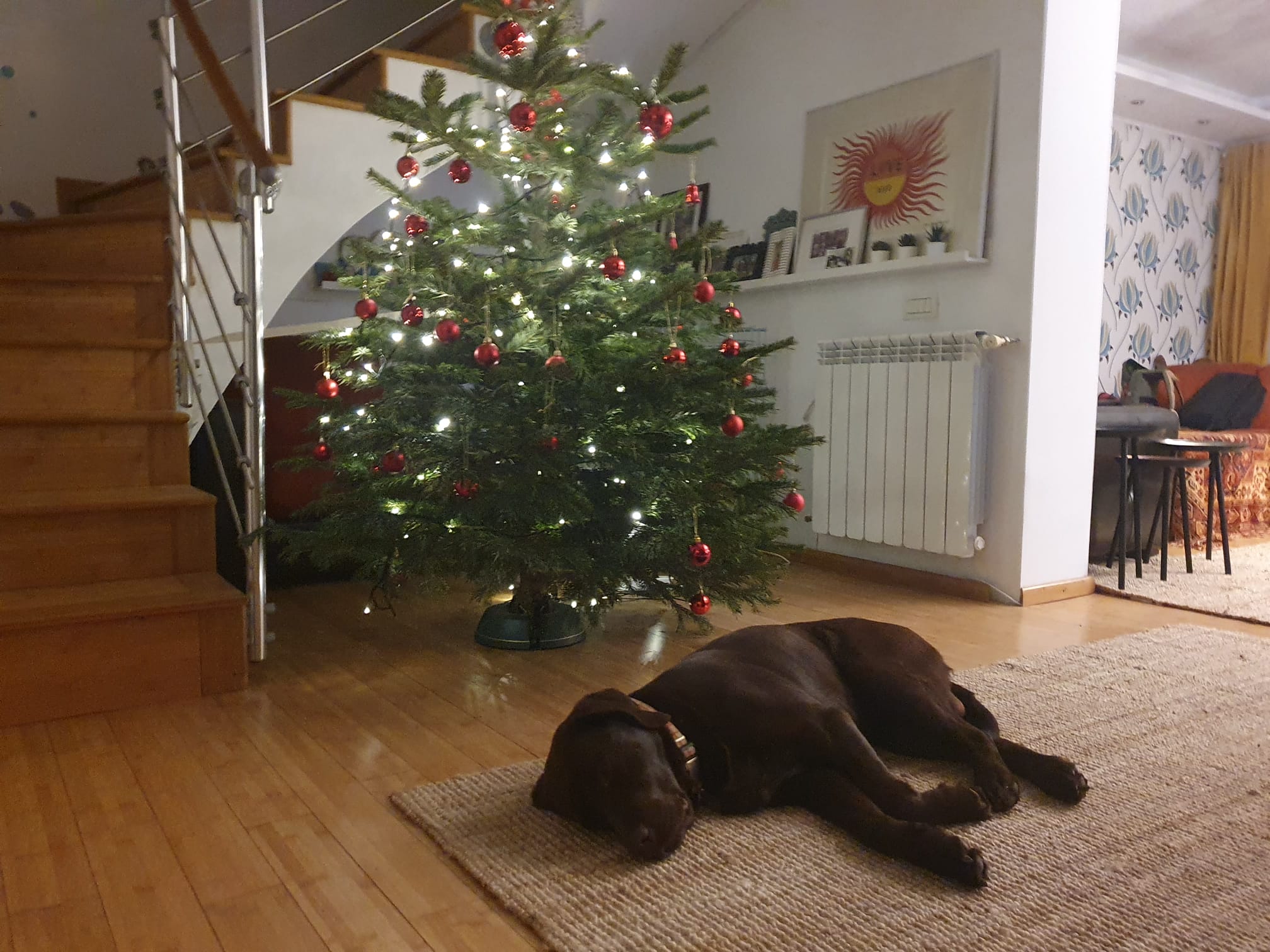
Most year-in-review posts read like highlight reels. New job, new skills, new milestones, all neatly packaged with a "grateful for the journey" bow on top. This isn't that post. 2025 has been one of the wildest years I've had on this Earth, and no, I don't say that every year about the previous year. It brought genuine accomplishments I'm proud of, but also 80+ hour work weeks, blurred lines between life and work, and the kind of exhaustion that doesn't (generally) show up in LinkedIn or other social media announcements. If I'm going to reflect on this year, I want to do it honestly. The shiny parts and the unglamorous ones, together.
Becoming full-stack (for real this time)
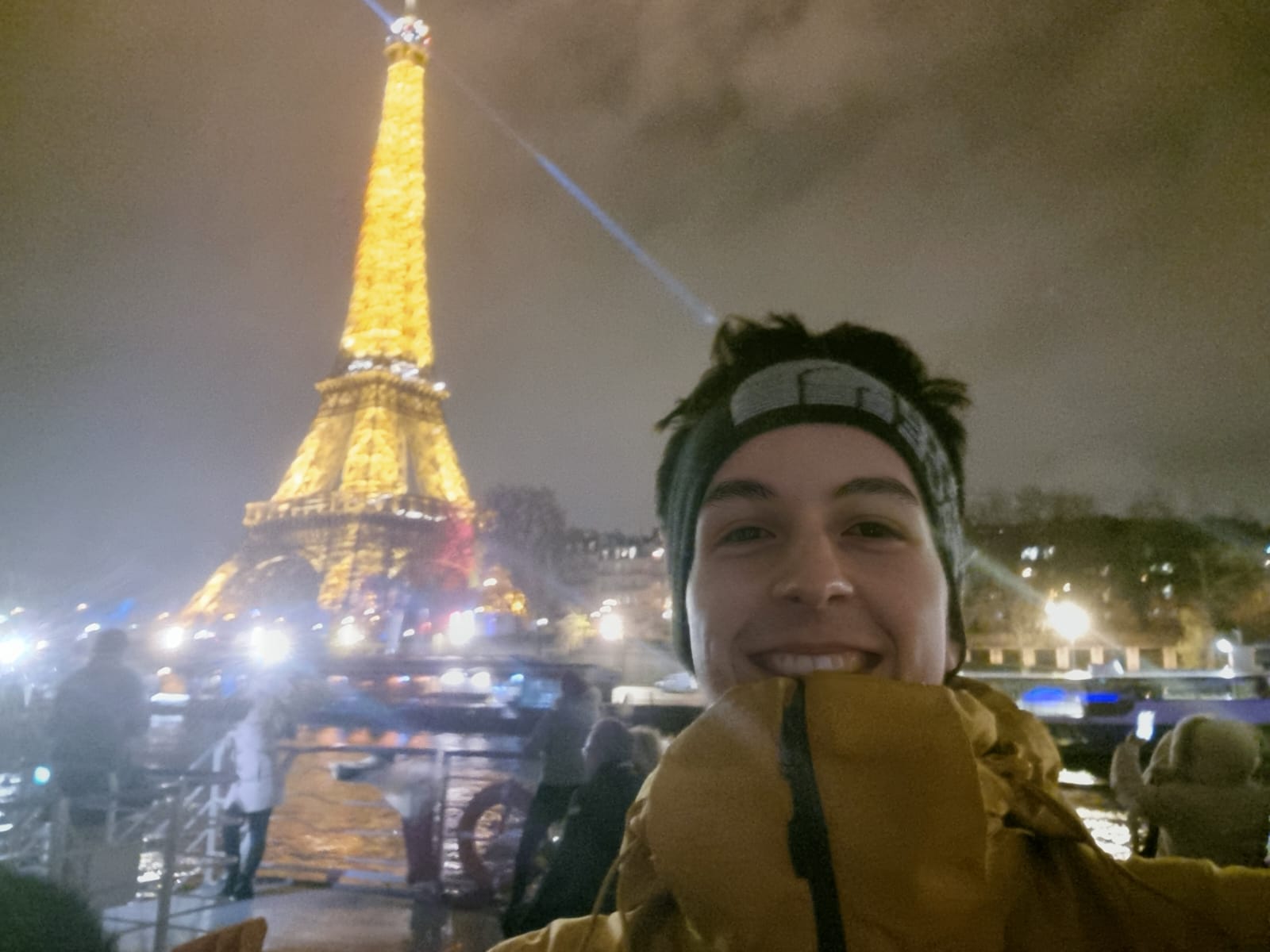
I started programming in high school back in 2014, and picked up basic web development back in 2016. During university, internships and when I started my career at TomTom in 2021 I mostly worked on backend and cloud engineering, and for years that's where I stayed professionally. This year, I finally gave modern frontend development the attention it deserved.
React, TypeScript, and Next.js are no longer things I tinker with in side projects. They're tools I use in production, with real users and real consequences (hopefully though, not that many). Adding Python FastAPI to my toolkit (after years of using Java Spring Boot and Flask only) rounded things out further for me.
Am I suddenly a frontend/full-stack expert? Absolutely NO. But I can now confidently say I'm full-stack in a way that actually means something, not just "I've touched both ends of the codebase".
The system design reality check
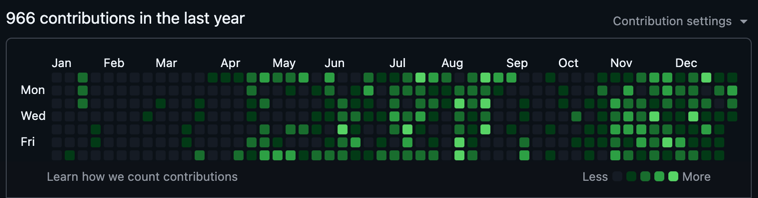
System design interviews have become a staple at a lot of tech companies. And if I am being brutally honest, I believe you can get pretty far by memorizing patterns. E.g., use queues for async processing, SQL vs NoSQL trade-offs, caching strategies, horizontal scaling, and more. I've done interviews like this and I've also given both “right” and “wrong” answers.
But here's what I learned this year: it's a completely different thing to make these decisions yourself, especially when your own hard-earned money is on the line. When you're at a larger company, there are many guardrails in place. For instance, you (hopefully) have colleagues review your decisions and code. There's existing infrastructure and established design criteria. Quality checks are built into the process. However, what happens when you're building something from scratch, for yourself, with your own resources? I found that every architectural choice feels heavier. You can't just defer to "well, this is how we've always done it here."
Disclaimer: I'm not saying company engineers have it easy. In fact, far from it, I’ve also been in those shoes, and the challenges there are different. All I'm saying is that the gap between interview system design and real-world system design is far larger than I expected, especially when doing it on my own dime.
AI engineering (and why I'm not calling myself an expert)
I spent a significant portion of this year working on AI infrastructure. Vector databases, multiple model instances (not just LLMs), production deployments, the whole stack. I do have an issue with how the industry, and people talk about this: "AI" has become an umbrella term that people slap on anything involving large language models, as if that's the whole field. Surprise, surprise, it's NOT! AI covers a vast landscape of concepts, techniques, and specializations. So while I've built and deployed AI systems in production this year, I'm not about to call myself an AI expert. That would be like saying you're an expert in mathematics because you can do calculus and matrix multiplication. I know enough to be effective, and I know enough to know how much I don't know.
Finishing my MSc while working full-time
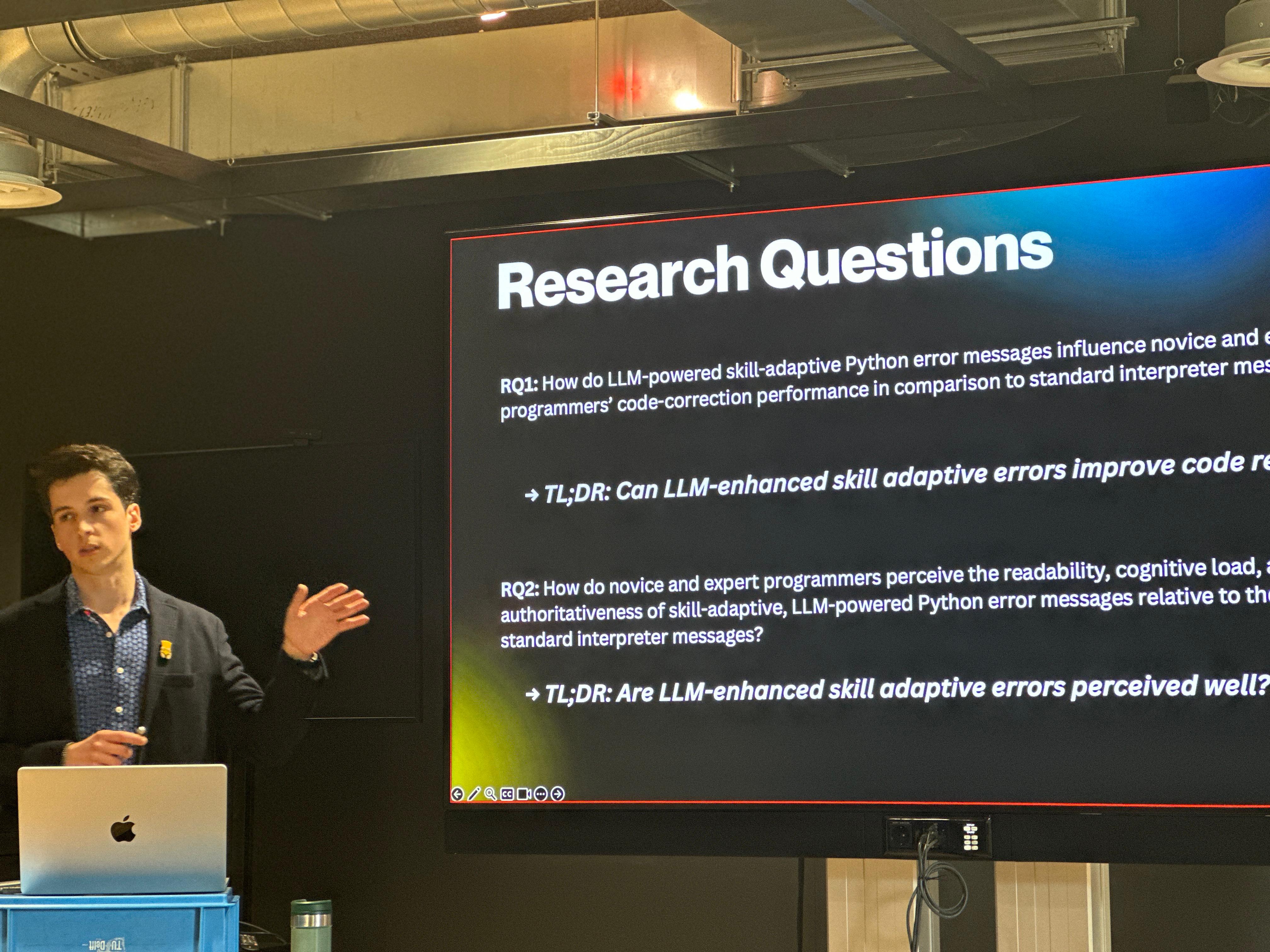
I completed my Master's degree in Computer Science at TU Delft this year. On paper, that's a clean accomplishment. In reality, here's what the last three years actually looked like: Wake up. Work for 8-10 hours. Study for courses and exams. Go to sleep. Repeat. Weekends weren't breaks, but were opportunities to catch up on university work I'd missed because I was working the other five days. There was no genuine “textbook balance”. There was just constant motion between two demanding “activities”. I'm proud of actually having gotten this degree. I'm also honest about the trade-off: I essentially exchanged three years of "normal life" for it. Whether that was worth it, I genuinely don't know yet. Ask me in a few years.
Starting a company - Ptolemy (now Atomio)
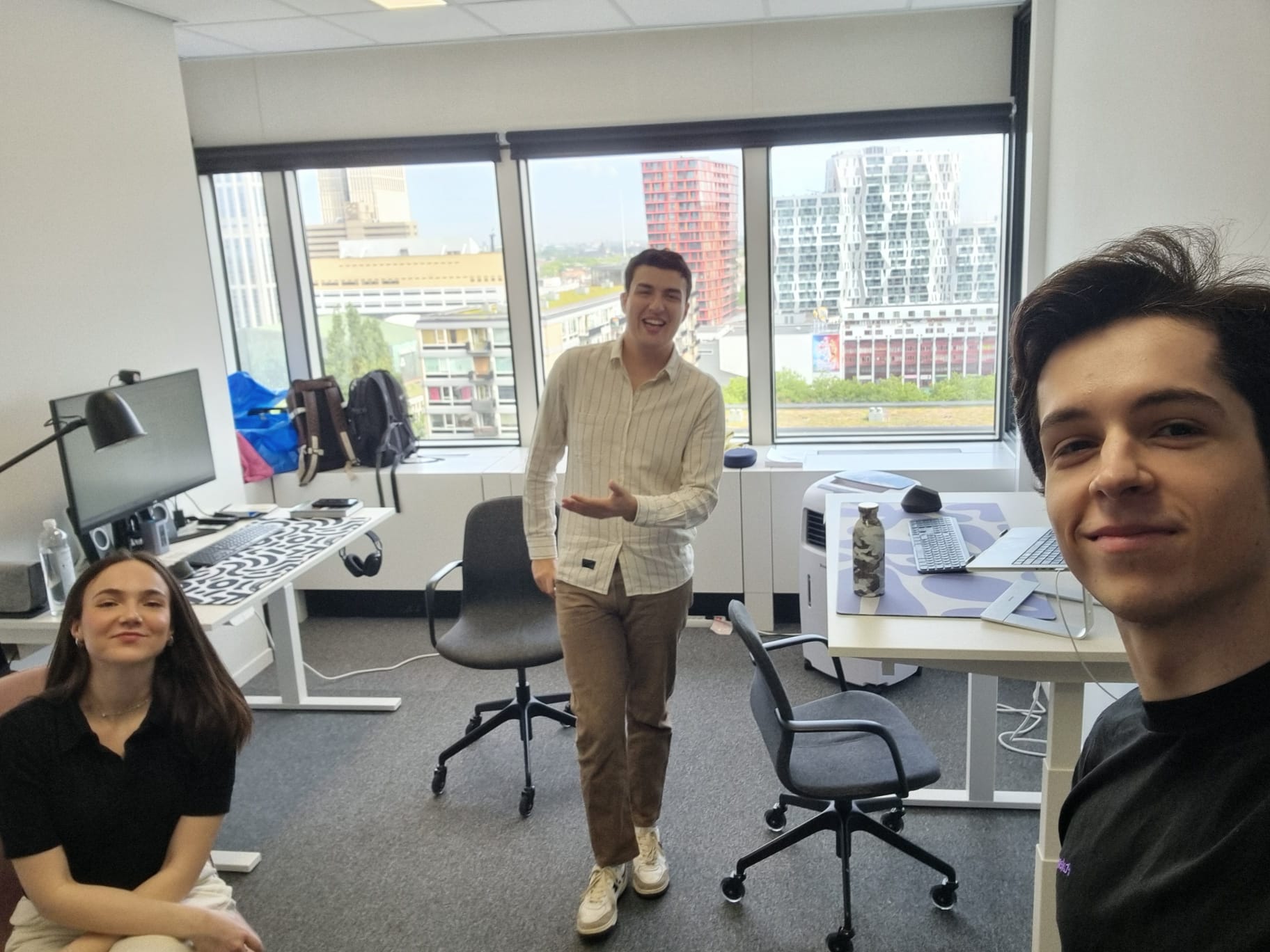
This is the biggest one of them all. For a while, I've described myself as a T-shaped professional, i.e., deep expertise in one area (backend engineering) with genuine curiosity and working knowledge across many others. That breadth, combined with getting better at saying no to things that didn't align with my goals, eventually gave me the confidence to start my own company. The logic in the above seems pretty logical, right? I know what I'm good at, I know what I want, I'm better at filtering out distractions, so time to build something from scratch, right? Here's the actual reality. You'd think that finishing my degree and leaving my job would give me more room to breathe. In some ways, yes. I'm laser-focused on one thing now instead of splitting my brain between work and academics.
But currently at Ptolemy, I also have to handle a lot of things tech-wise: backend, frontend, cloud infrastructure, security, DevOps, scalability, sales, customer conversations, and whatever else needs doing on any given day; pretty much the reality for most founders out there. The result? Instead of working 8 hours and studying for 4, I now regularly have 80+ hour weeks. The lines between personal and work life have become so blurred that some days I can't tell the difference. Wake up thinking about the roadmap. Talk to clients. Work. Eat. Work out (sometimes). Go to sleep still thinking about code and product. Wake up and do it again. Is this sustainable long-term? Probably not. Is it something I've gotten used to and, honestly, kind of enjoy right now? Yes. But I'm not going to pretend this is some enlightened founder lifestyle. It's just the current reality. Ask me again in three months.
The "saying no" paradox
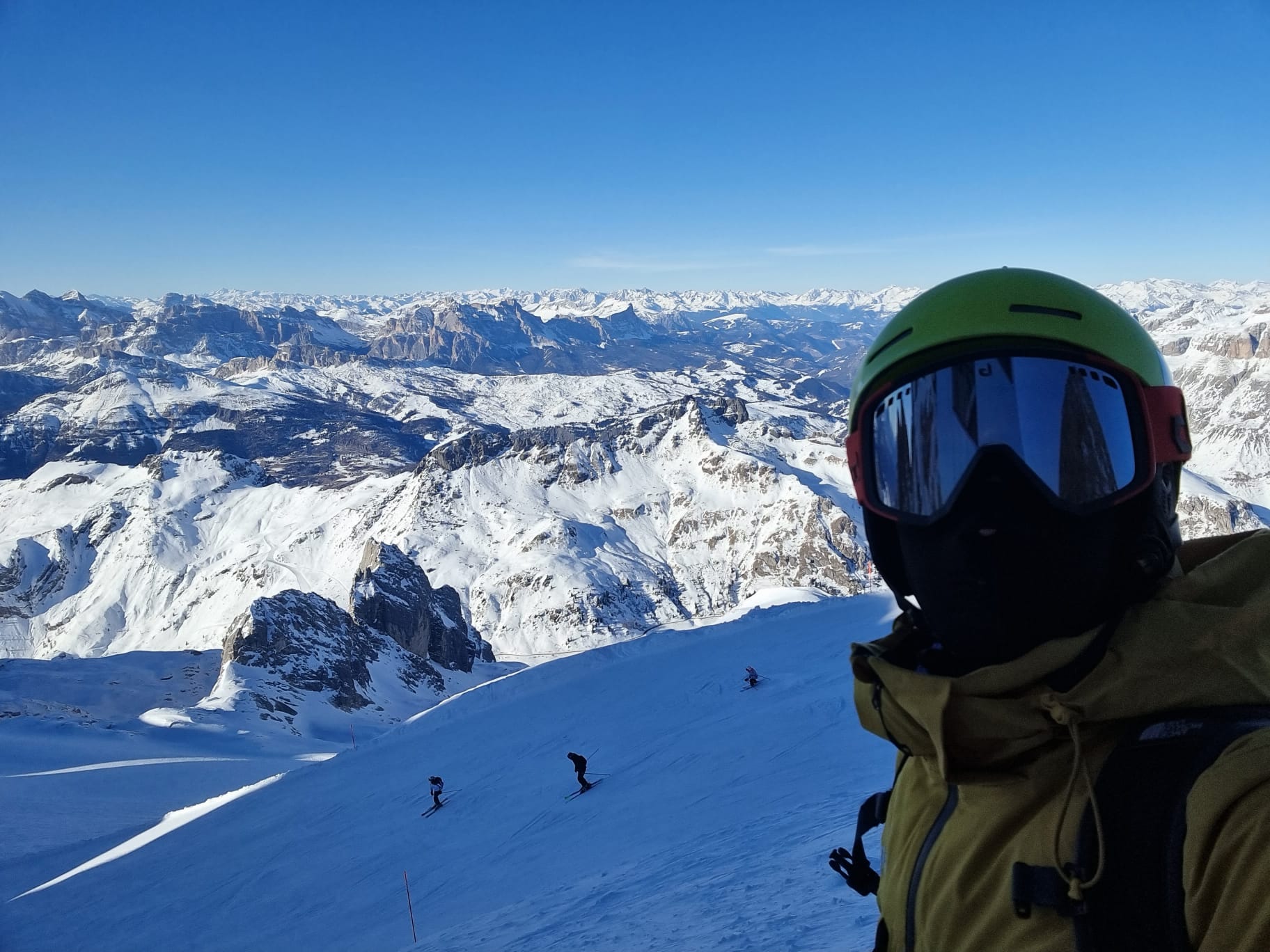
I mentioned I've gotten better at saying no. That's true. It's also true that I'm still not great at it. There's a bit of irony in writing about the importance of boundaries while also describing 80+ hour work weeks. I see it. I'm choosing not to resolve that tension neatly because I don't think it is neat. I'm better at filtering than I used to be. I'm also still human. Some weeks I take on too much. Some days I say yes when I should say no. After years of continuous development and learning, I can state that progress isn't a straight line, and I'd rather admit that than pretend I've figured it out. That said, I also said yes to some genuinely amazing things this year. For instance, one full week of skiing in the Dolomites:
So what now?
One of my goals for 2025 was to be brutally honest with myself. To prioritize what I genuinely want out of life, not what's generally expected of me. That might sound obvious. Who doesn't do what they actually want? But peer pressure and expectations shape more decisions than we like to admit. Especially when you come from a background where there's a well-known script: do this, then do that, and you'll be fine. I grew up with that script. I suppose a lot of other people still do. This year, I made choices that surprised even me. Not reckless ones, but ones that genuinely reflected what I wanted rather than what felt safe or expected. I'm proud of that, maybe more than any specific accomplishment.
For 2026, the plan is simple: keep being brutally honest. With myself, with the people I work with, and with whatever content I put out into the world. I do not want to show only highlight reels, as being human naturally involves handling stress, failures, and a myriad of other emotions that are far from glamorous. I also do not want to pretend that the grind is glamorous. What I do want is to highlight the reality, whatever it looks like.
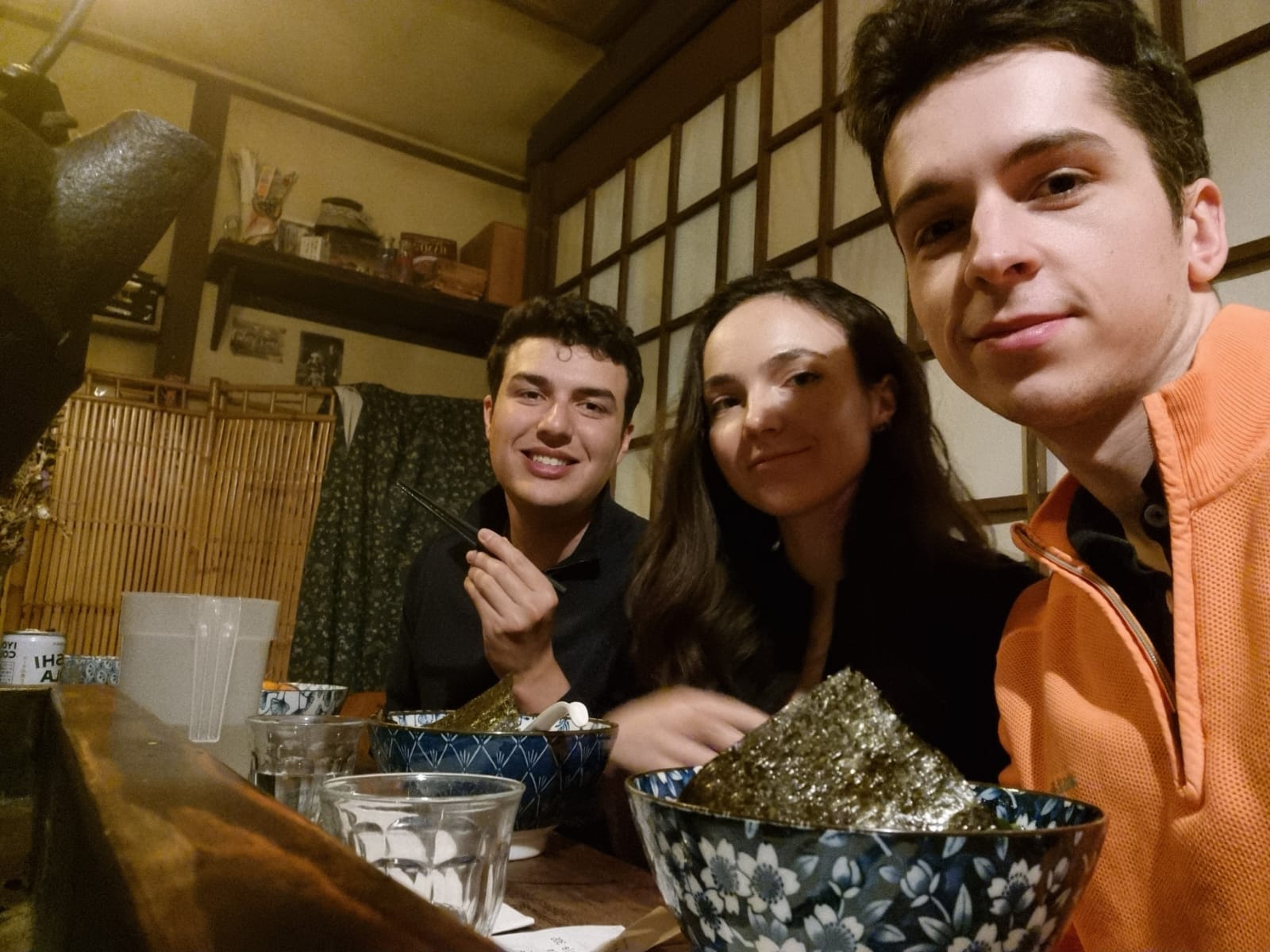
If you've made it this far, thanks for reading. And if any of this resonated, I'd genuinely like to hear about it. And to end on a good note, below is a picture of Ana, Sadry, and I, eating ramen in Paris (and quite tired), after AI Pulse in December.
Grateful to be here, with friends, doing what I love and striving to make the world a better place, perhaps one honest line of code/word at a time. Here's to 2026, whatever it may bring!